

Cleaning hacks are everywhere. Scroll through social media for five minutes, and you'll find people cleaning burnt pans with dishwasher tablets, rubbing lemons over chopping boards and claiming shaving foam can stop your bathroom mirror from steaming up.
Some of these hacks have millions of views, but do they actually work, or are they just clever editing?
Today, we're putting some of the internet's most viral cleaning hacks to the test to find out which ones are genuinely worth trying and which ones you can skip.
Watch the video
Testing viral cleaning hacks
1. The viral dishwasher tablet cleaning hack
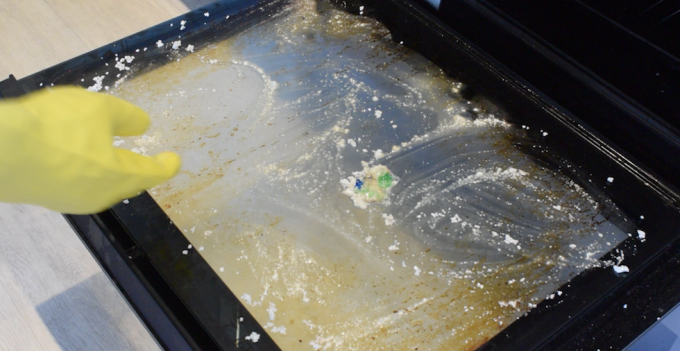
This is supposed to be one of the biggest cleaning hacks on the internet, but what. a. fail! The claim is simple. Instead of scrubbing away at burnt-on food with washing-up liquid, all you need is a dishwasher tablet.
We're putting it to the test on two of the most popular uses: a burnt pan and a dirty oven door.
First up, the pan.
Add a little hot water, then use the dishwasher tablet to gently rub over the burnt areas. As the tablet starts to dissolve, you'll notice it forms a cleaning paste that begins lifting stubborn grease and baked-on food.
After a few minutes of gentle scrubbing, rinse everything away and have a look at the difference. This worked well on the lighter marks, but not so great on the more stubborn areas.
Now let's see if it works better on the oven glass.
Dampen the tablet again, then rub it over the greasy glass with light pressure. Supposedly, this will lift grease in no time, but we found it did very little and just made a bit of a mess.
Dishwasher tablets are packed with ingredients designed to break down stubborn food residue, grease and stains at high temperatures. That's exactly why they work so well in your dishwasher, but here they weren’t as effective.
If you want to give this a go, remember: they're mildly abrasive, so avoid using them on delicate finishes, non-stick coatings or anything that scratches easily.
Verdict? We're not fussed.
2. Do Magic Erasers actually work?
What’s so magic about a Magic Eraser? Some people swear they'll clean almost anything, whilst others say they're overrated. We're testing two of their most popular uses.
First, let’s test it on scuffs.
If you've got black marks from shoes, furniture or everyday knocks, lightly dampen the Magic Eraser and gently rub over the mark. You'll usually notice the scuff disappear with very little effort.
Now let's try one that's all over social media: cleaning white trainer soles.
These rubber edges can quickly start looking dull and dirty, even when the rest of the trainer is clean. Again, dampen the eraser and gently work across the rubber sole. The difference can be surprisingly dramatic.
So what's actually happening? A Magic Eraser isn't a sponge in the traditional sense. It's made from melamine foam, which acts like an incredibly fine abrasive, helping lift marks that ordinary cloths struggle to remove. That also means it needs to be used with care. Avoid glossy surfaces, polished finishes and delicate paintwork, because repeated scrubbing can dull the finish over time.
Verdict? Surprisingly good. Just make sure you're using it on the right surface.
3. Now let’s put a drill brush attachment to the test
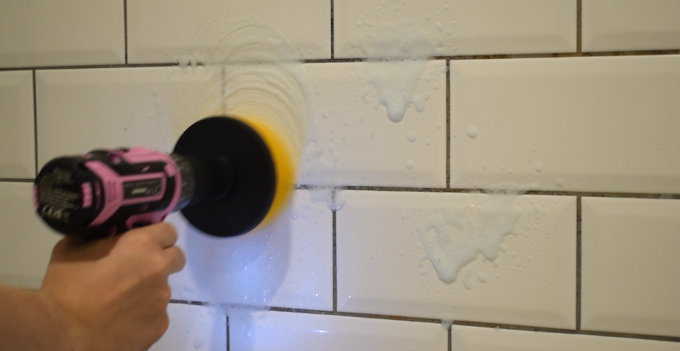
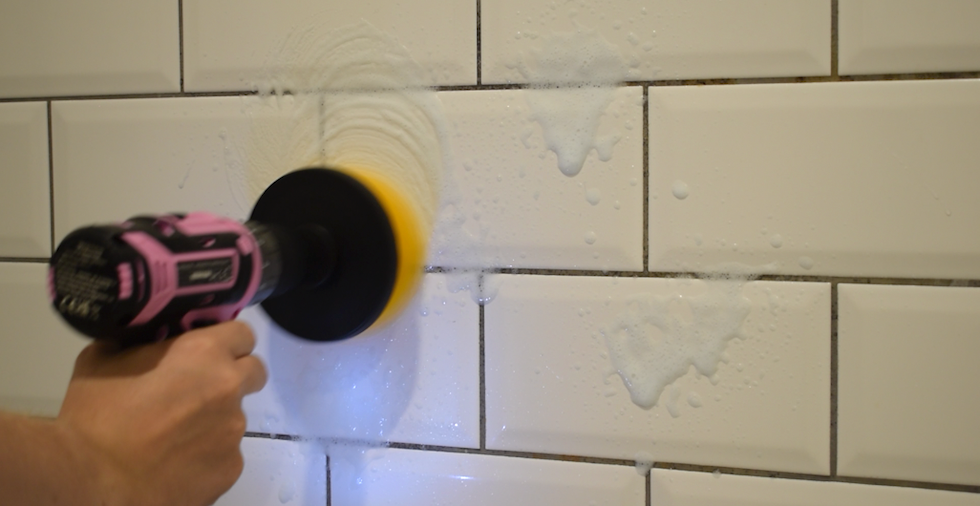
This has changed our grout-cleaning game for good! If you've ever spent ages scrubbing bathroom grout with an old toothbrush, this hack could save you a lot of effort.
Drill brush attachments have become incredibly popular over the last few years, and it's easy to see why. They simply fit onto almost any cordless drill and use rotating brushes to do the hard work for you.
For this test, we're tackling some heavily stained bathroom grout.
Apply your chosen bathroom cleaner first and give it a few minutes to work. That dwell time helps loosen the dirt before you even start scrubbing. Next, attach a soft or medium drill brush and work across the grout using light, even pressure.
The rotating action reaches into all those tiny grooves far more effectively than hand scrubbing alone. Within minutes, the difference is clear to see.
You can also use these attachments on shower trays, tiles, and taps, depending on the brush you've chosen. Most sets are inexpensive and widely available online or from DIY stores. I’ve linked ours in the description below.
One word of caution, though. Always start with the softest brush available and avoid delicate surfaces that could scratch.
Verdict? Absolutely worth it.
4. We're putting three sticker residue hacks head-to-head
We've all peeled a label off a new jar or storage container, only to be left with that stubborn sticky residue that refuses to budge. Social media has plenty of suggestions, but which one actually works best? Today we're comparing three of the most popular: WD-40, peanut butter, and nail polish remover. We'll apply each one to identical sticky patches and see which removes the residue most easily.
Starting with WD-40
A quick spray, leave it for a minute or two, then wipe away. The adhesive softens almost immediately, making it very easy to remove.
Next, peanut butter
It sounds strange, but the natural oils can help loosen certain adhesives. After leaving it to sit briefly, wipe away and see how much residue remains.
Finally, nail polish remover
If you're using this hack, always check the surface first because acetone can damage plastics, painted finishes and some laminates. On suitable glass or metal surfaces though, it can be very effective.
So which one comes out on top? For speed and consistency, WD-40 is the clear winner. Peanut butter does work to an extent, but it's messy, and you'll still need to clean away the oils afterwards. Nail polish remover can be excellent, but only when you're certain it's safe for the surface you're cleaning.
Verdict? WD-40 wins this one. Simple, quick and by far the least effort.
5. Let’s test a chopping board hack
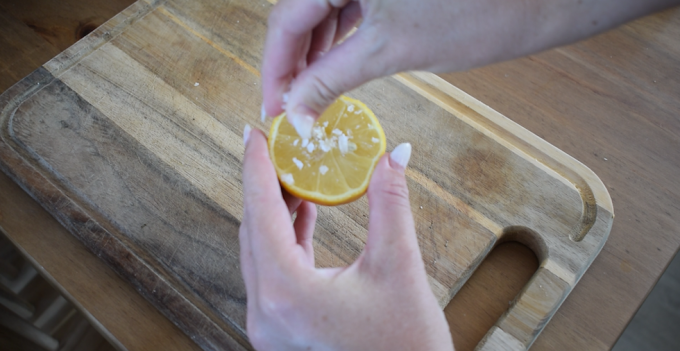
Can a lemon and a little salt really bring a tired wooden chopping board back to life? This hack has been doing the rounds for years, and it's still incredibly popular.
Sprinkle a generous amount of coarse salt over the surface of your chopping board, then use half a lemon to scrub it in using circular motions. As you work across the board, you'll see the salt acting as a gentle abrasive while the lemon helps lift stains and freshen the surface. Once you've finished, rinse the board thoroughly and leave it to dry completely.
The difference is subtle compared to some of the other hacks we've tested, but it definitely helps brighten the wood and remove lingering food odours. It's worth remembering that this isn't a replacement for washing your chopping board with hot, soapy water after preparing food. Think of it as an occasional refresh rather than an everyday clean.
Verdict? It’s worth trying.
6. Can rice clean bottles from the inside?
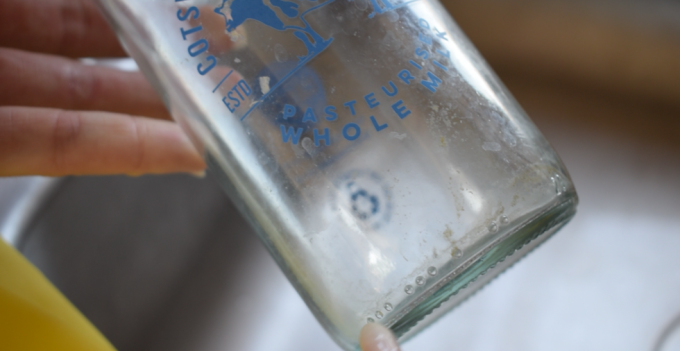
Need to clean the bottom of a bottle? Try this trick. Reusable water bottles, glass vases and narrow-necked containers can be surprisingly difficult to clean properly. If your bottle brush just isn't reaching the bottom, this hack claims all you need is a handful of uncooked rice, a squirt of washing-up liquid and some warm water.
Let's give it a go. Add the rice, a little washing-up liquid and enough warm water to cover the base of the bottle. Secure the lid, then give it a really good shake. The rice moves around inside the bottle, helping loosen stubborn residue in hard-to-reach areas. Pour everything away, rinse thoroughly and take a look inside.
For light staining and everyday grime, this works surprisingly well. Just don't expect it to remove heavy limescale or years of built-up residue.
Verdict? Surprisingly good.
7. Let's tackle one of the biggest frustrations in the bathroom
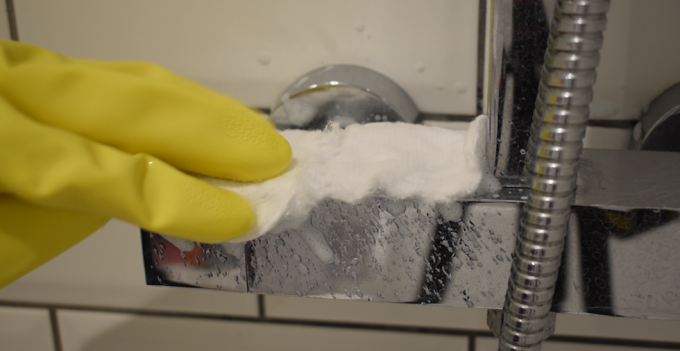
You’ll never clean your bathroom the same after you hear this hack! If you've ever tried removing limescale from taps or mould from silicone sealant, you'll know how annoying it is when the cleaner slides straight off. This hack solves that by using cotton wool or kitchen roll to hold the cleaner exactly where it's needed.
Simply soak the cotton wool or strips of kitchen roll with your chosen cleaner, then press them directly onto the affected area. Leave everything in place for the recommended time on the product label before removing it and wiping the surface clean.
Because the cleaner stays in contact with the stain for much longer, it has far more time to break down limescale and discolouration. Just remember to use a cleaner that's suitable for the surface you're treating, especially if you're tackling mould. The result? Much less scrubbing and a noticeably cleaner finish.
Verdict? Definitely worth trying.
8. This next hack could transform your microwave
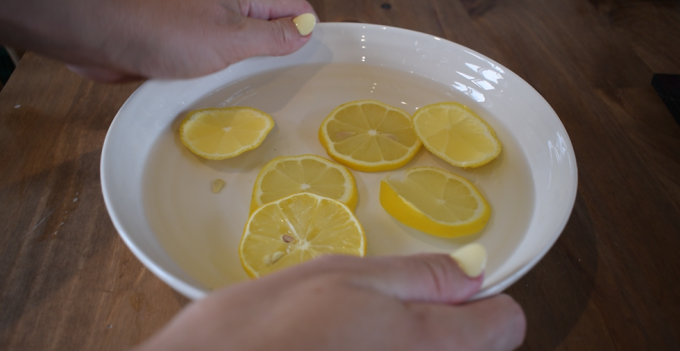
Your microwave called. It misses being clean. Cleaning this appliance is one of those jobs that's easy to put off. That is, until you open the door and discover last week's soup decorating the ceiling. The solution? A bowl of water with a few slices of lemon.
Fill a microwave-safe bowl with water, and add the lemon slices. Heat it for about 3 to 5 minutes, until the water is steaming. Once the timer finishes, leave the door closed for another couple of minutes.
The steam helps soften any dried-on food, making it much easier to wipe away. Open the door, carefully remove the hot bowl and simply wipe the inside with a clean microfibre cloth. The grime comes away far more easily than it would if you started scrubbing straight away. As a bonus, the lemon leaves the microwave smelling much fresher too.
Verdict? Expert Home Tips approved.
9. This shaving foam mirror hack sounds too good to be true
If you've seen this one online, you'll know the claim. Apparently, a thin layer of shaving foam on your bathroom mirror will stop it from steaming up after your next shower. It certainly sounds clever, but does it actually work?
Apply a small amount of shaving foam to a clean, dry mirror, then spread it evenly with a soft microfibre cloth. Once the whole surface is covered, buff away any residue until the mirror looks completely clear again. Now for the real test. After a hot shower, compare the treated section with an untreated area. You should notice the treated section stays much clearer, making it easier to use the mirror straight away.
The reason is surprisingly simple. The shaving foam leaves behind a very thin film that helps prevent condensation from forming. It won't last forever, so you'll need to repeat the process from time to time, but it's a quick and inexpensive trick that really does make a difference.
Verdict? Worth the hype.
10. Let’s test the bicarbonate of soda and vinegar drain trick
This might be the internet's biggest cleaning myth. If you've ever searched for ways to freshen your drains, you've probably come across this combination. The fizz certainly looks impressive, but is it actually cleaning your drain? Let's find out.
Start by pouring bicarbonate of soda down the drain, followed by white vinegar. Almost immediately, you'll get that dramatic bubbling reaction everyone loves to watch.
But here's the catch. The fizzing is a chemical reaction between an acid and an alkali, producing water, carbon dioxide and a salt called sodium acetate. Once the bubbling stops, you've largely neutralised both ingredients.
So, does it clean? Yes and no. The bubbling can help loosen a little debris near the surface, but it’s probably not going to dissolve grease, unblock pipes, or deep-clean your drains. Usually it’s the hot water they use to flush the mixture away that does the heavy lifting.
If you've got slow-draining water or a blockage, you’re better off using a dedicated drain cleaner suitable for your plumbing, or physically removing the blockage where possible. Sometimes the most satisfying hacks aren't the most effective ones.
Verdict? Myth busted.
11. Let's finish with a clever hack for cleaning blinds
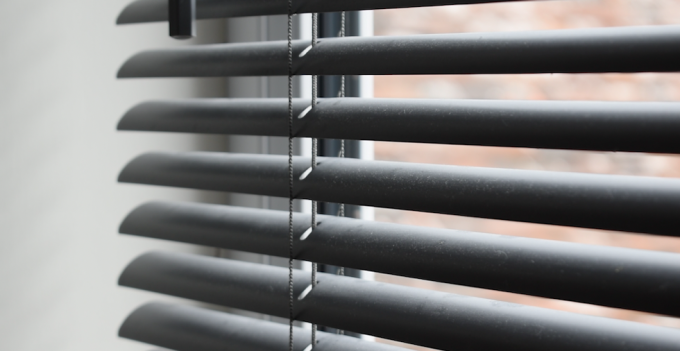
We tested this viral blind cleaning hack so you don’t have to! Trying to clean each slat individually takes ages, and it's easy to miss the back. This simple hack uses something you probably already have in your kitchen.
Take a pair of kitchen tongs and wrap a microfibre cloth around each side, securing them with elastic bands if needed. Now you can grip each blind slat between the cloths and clean both sides simultaneously. Work your way from top to bottom, giving the cloth a quick rinse whenever it starts looking dusty.
Using tongs was quite fiddly, and we realised we could use our hands like tongs instead, with even more control and grip.
Verdict? Not such a great hack after all.
After putting all of these viral cleaning hacks to the test, which ones came out on top?
The biggest winners for us were the drill-brush attachment for stubborn bathroom grime and the shaving-foam mirror hack.
The biggest disappointment? The dishwasher tablet for burnt-on grease and food! It made such a mess and barely lifted any dirt!
And that's exactly why it's worth testing these things before believing everything you see online!
If you'd like to see us test even more viral cleaning hacks, let us know in the comments which one we should try next. And if you've used any of the hacks we’ve tested today, we'd love to hear how you got on.
Which cleaning hack should we test next? Let us know in the comments below!

Leave a Reply